A listener sees a podcast clip while scrolling, watches long enough to hear a good answer, then moves on. The platform counts a view. The creator still has a decision to make: spend more time making clips like that one, or change how the clip leads people to the show?
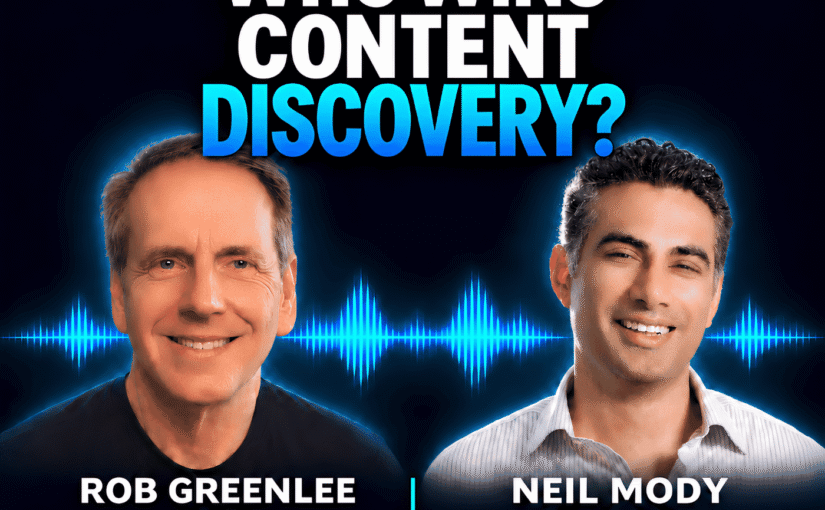
That’s the practical question behind New Media Show episode 695, recorded at Ginni Media Studios in New York City. Rob Greenlee and Headliner CEO and co-founder Neil Mody discussed where people discover podcasts, why someone might watch a preview and then listen to the full show, and what a producer should review when AI suggests a clip.
Give the clip one job
Mody recalled that people were already looking at screens to decide what to play when Headliner began turning audio into video for social feeds. The episode might end up in someone’s earbuds for an hour. The decision to press play could still come down to a title, an image, or a few seconds of a guest speaking.
Start with the question a stranger would recognize. Imagine an interview with a bakery owner about why preorders beat daily discounts for her business. A useful clip opens with that decision and includes one reason she changed course. The full episode can carry the details about staffing and margins. If the reason only makes sense after hearing the interviewer’s question, keep the question in the cut. Give viewers a clear way to reach the full conversation.
Make it easy to keep listening
Mody described a personal setup that sends him short audio excerpts from shows he follows each morning. He uses the excerpts to choose which episodes to hear, including ones he might have overlooked in a list of titles. It’s a prototype and one listener’s experience, but it shows how much work a preview can do even after someone follows a show.
Greenlee offered another example from the show itself. Its audio and video RSS feeds can each point to the other format through an alternate enclosure, giving compatible apps another option. A listener who saw a clip on a social feed should have a similarly clear choice on the episode page. Put the players where visitors can find them and offer an optional newsletter signup for people who want to hear from the show again.
Keep a producer in charge of the cut
Mody said Headliner saw substantial overlap between the moments its older software suggested and those selected by language models. He also described work on a separate blind comparison of human and AI picks. The interview gave no completed result from that comparison. The overlap tells us the tools surfaced some of the same material. Whether a given cut draws the right people to the full episode takes a separate test.
When a tool suggests a clip, watch the exchange around it. Ask whether a new viewer can follow the idea, whether the cut preserves any qualification, and whether the full episode delivers on the clip’s promise. A producer can make those decisions before the clip goes out, regardless of the score the software gives it.
Run one test you can read after a week
Choose one episode, one clip, and one channel. Give the clip a trackable link to the full episode and count the link clicks during the first seven days. If the platform reports impressions for the same post, use them as the denominator for a click rate. Compare it with an earlier clip only if you have a similar seven-day window on the same platform. A link click measures the move toward the episode. You’ll need separate data to assess plays or repeat listening.
If a clip gets plenty of exposure and few people follow the link, look at what the clip promises and how it invites the viewer to continue. Change one of those in the next test so you have a clearer comparison. For a small team deciding where to spend its next hour, that’s a question it can actually investigate.
Further reading: Browse New Media Show episodes and read Neil Mody’s October 23 article on how podcast platforms could compete with YouTube.
Watch or listen to New Media Show episode 695 with Neil Mody and read the show notes.